Happy 2026! Here is the first newsletter of the year, and it's a doozy!
Civil Rights Division Association
NEWSLETTER
January 2026 (Issue 17)
The Civil Rights Division Association (CRDA) is a non-partisan organization composed primarily of former employees of the Department of Justice Civil Rights Division. The CRDA is a membership organization and is not affiliated with the U.S. Department of Justice or any other government agency. Any views expressed in the CRDA Newsletter are those of the author. The CRDA Newsletter provides information on CRDA activities, member updates, and information about the work of the Civil Rights Division. We are very excited to be able to stay connected with CRDA members and encourage member networking. Still need to join the CRDA? Please visit the brand new CRDA website at CRDAssociation.org!
IN THIS ISSUE
1. FROM THE CRDA BOARD
2. REGISTER NOW FOR THE JANUARY 31ST CRDA CONVENING
3. MEMBER UPDATES
4. CRDA OCTOBER HAPPY HOUR
5. ALUMNI HOLIDAY PARTIES
6. ROUNDUP OF RECENT CIVIL RIGHTS DIVISION NEWS
7. CRDA MEMBER REFLECTION
8. IN MEMORIAM
9. JOIN THE CRDA LINKED IN GROUP
10. THANK YOU!
1. FROM THE CRDA BOARD
Dear CRDA Members – lots of news to share this quarter:
- See below for all the details on the CRDA’s first convening in quite a long time, an exciting event in Washington DC on January 31. Please register if you want to attend. In-person attendance is $35; remote is free but does require registration.
- CRDA has launched a new website! It’s at CRDAssociation.org. Many terrific new features, including a much improved member directory. Check it out!
- And we also have a new way to build community – wear CRDA merch! T-shirts, hats, totebags, water bottles. All here. Order between now and Feb. 1; items will ship right after that.
-
There have been some inquiries about who is eligible to join CRDA. The answer (according to our bylaws) is:
- Current and former employees of the Civil Rights Division
- Current and former employees of the USDOJ who have worked on “matters of concern to the Civil Rights Division”
- Spouses and children of employees
- “Such other persons as may be elected to membership from time to time by the Board.”
- There have also been inquiries about in-person events in cities other than DC. We’d love to support any such events by sharing information about them. If you want to sponsor one, reach out to [email protected].
- The event and the new website cost money, so while the CRDA has not in recent years asked members to pay dues, if you’re able to chip in, donate here. Thanks for considering!
2. REGISTER NOW FOR THE JANUARY 31ST CRDA CONVENING
On January 31, the CRDA will host, “The Civil Rights Division in the 21st Century: Looking Back and Moving Forward.” This full-day program will take place at Howard University School of Law in Washington, DC, and also online. The program will feature panel discussions about the Division’s accomplishments in the last 25 years and the Division’s future. Confirmed speakers include Kristen Clarke, Vanita Gupta, Anna Baldwin, Barbara Bosserman, Michael Campion, Daria Neal, Steve Rosenbaum, Alberto Ruisanchez, Margo Schlanger, Jon Seward, Shaheena Simons, Joy Welan, Sam Trepel, Regan Rush, Sam Bagenstos, Chiraag Bains, Chris Berger, Jon Greenbaum, Rob Shriver, and Katie Wolfe.
The cost for in-person attendance is $35; remote attendance is free, but both require registration! Click HERE to register!
3. MEMBER UPDATES
|
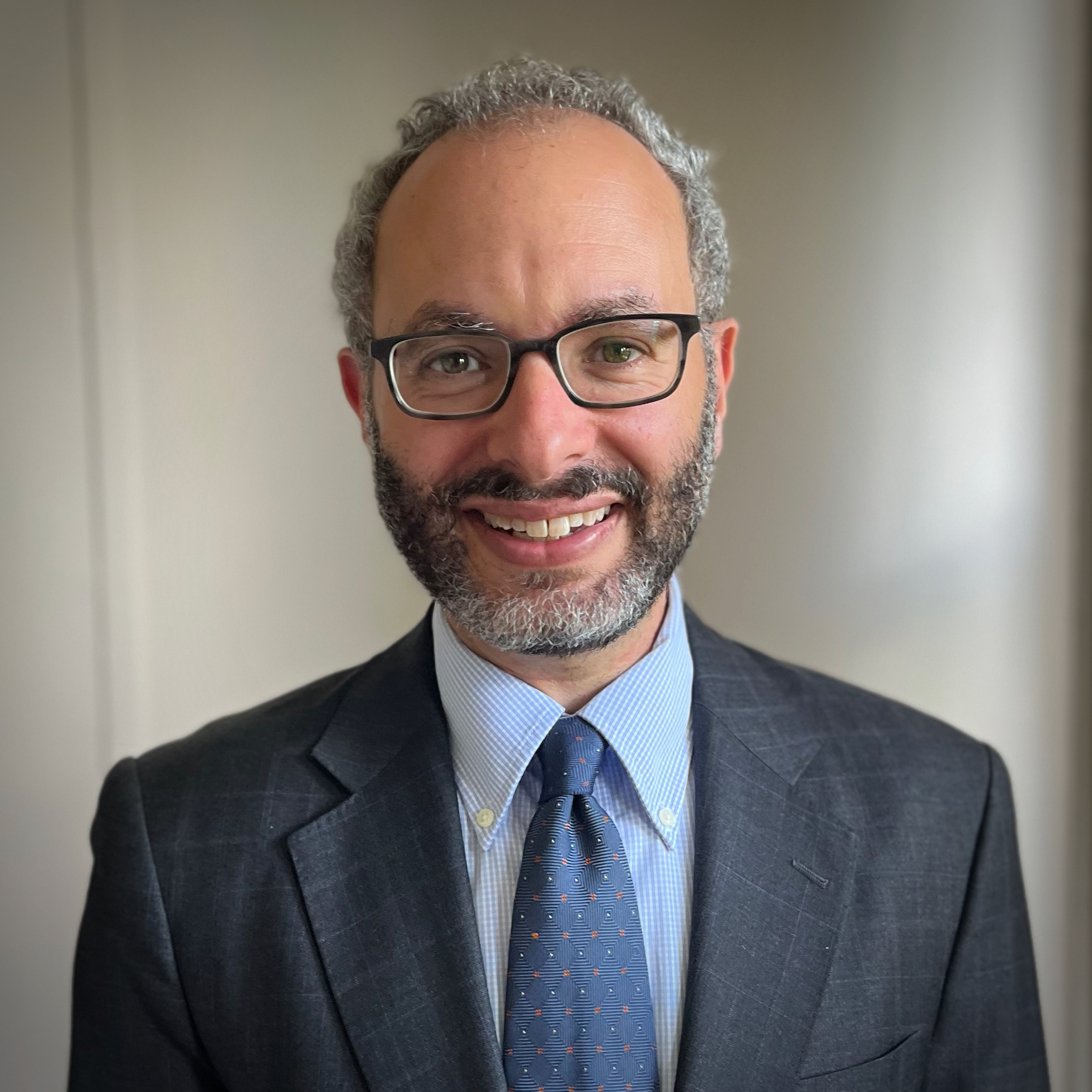
Dave Cooper recently started as Director of the Police Accountability Unit at the Massachusetts Attorney General’s Office. The unit’s responsibilities include redressing systemic police misconduct under authority granted to the AG in 2020 and ensuring compliance with other civil rights laws by police departments and correctional facilities. Dave served in the Division from 2012 until 2025, first in the Voting Section and then in the Special Litigation Section, where he worked on police pattern-or-practice cases. Before joining the Department, Dave worked in private practice for two years and as a fellow for the Lawyers’ Committee for Civil Rights Under Law. He is a graduate of the University of Michigan Law School. |
 |
|
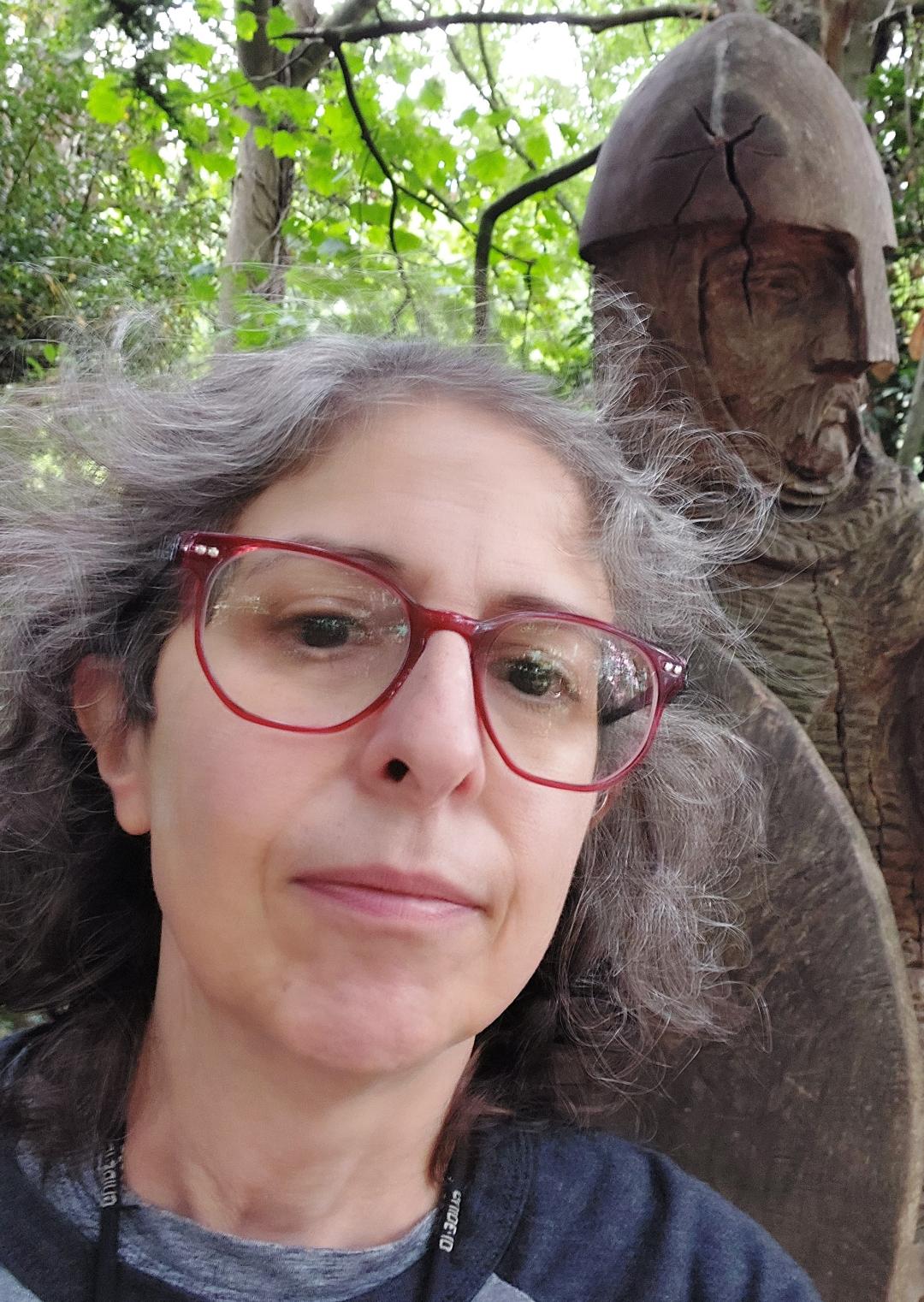
Barbara Bosserman recently launched a Substack called Today in Civil Rights History. Barbara worked in the Criminal Section for 25 years, from 2000 to 2025. Barbara explains that she started writing “because I have been heartbroken by the administration’s recent attempts to deemphasize civil rights history and to replace it with revisionist narratives suggesting that the United States has never struggled with racism, misogyny, or religious discrimination.” Through her Substack, Barbara hopes to take “an unflinching look at civil rights in America (and sometimes in the greater world)” and “to celebrate progress (for example, the enactment of new laws protecting civil rights).” She also will “document the atrocities and setbacks that remind us how much more we need to do.” You can find, subscribe to, and follow Barbara’s Substack here: https://bakayboss.substack.com/ Barbara welcomes ideas for entries and feedback on her posts.
|
 |
|
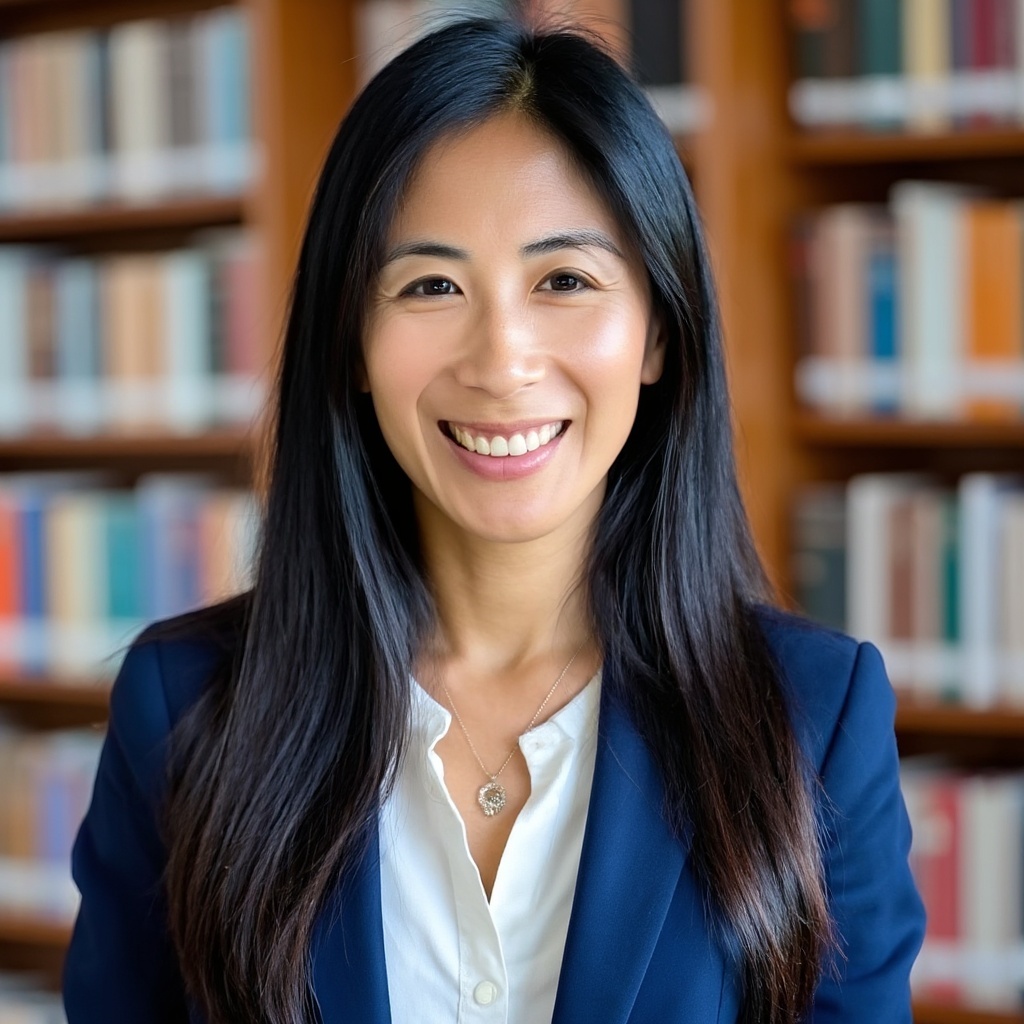
Michelle Leung recently joined Harvard Law School as the inaugural Director of the Race & Law Clinic, and as a lecturer on law and clinical instructor. Michelle joined the Civil Rights Division in 2010 as a Trial Attorney in the Special Litigation Section. From 2014 through February 2025, Michelle served as an Assistant U.S. Attorney in the (now disbanded) Civil Rights Unit of the U.S. Attorney’s Office for the District of Massachusetts. She focused primarily on matters involving police misconduct, prison conditions, and sexual harassment in housing. She graduated from UC Berkeley School of Law. Michelle writes: “If anyone is working on interesting cases at the intersection of race and the law, and looking for motivated law students to help them advance that work, please reach out to me at [email protected]. So far, we are focused on cases and projects regarding policing, artificial intelligence, and electoral reform, but I welcome all conversations about potential partnerships!”
|
 |
|
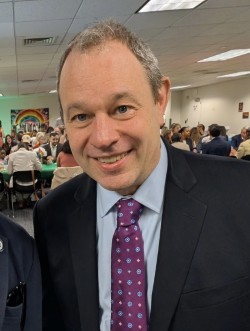
Michael Campion has been appointed the Deputy Director of the New Jersey Division on Civil Rights (NJ DCR). NJ DCR is a state agency charged with enforcing New Jersey's civil rights laws, including the New Jersey Law Against Discrimination (LAD). The LAD, one of the most comprehensive anti-discrimination laws in the country, prohibits discrimination and harassment based on actual or perceived race, religion, national origin, gender, sexual orientation, gender identity or expression, disability, and other protected characteristics. The mission of NJ DCR is to protect the people of New Jersey from discrimination and bias-based harassment in employment, housing, and public accommodations. Before joining NJ DCR, Mike served as Chief of the Civil Rights Division at the U.S. Attorney's Office in the District of New Jersey (USAO NJ). In that role, often in partnership with the Civil Rights Division, he supervised and guided civil rights investigations, and where appropriate, brought civil actions in U.S. District Court to enforce the federal civil rights laws. He also supervised criminal investigations and prosecutions involving hate crimes, color of law violations, and access to reproductive healthcare. Mike worked at USAO DNJ for 18 years. For most of that time, Mike served as the office’s first and only Civil Rights Chief. Before that, Mike worked at a law firm in Manhattan and clerked for the Honorable Alfred M. Wolin in the U.S. District Court for the District of New Jersey. Mike graduated from Fordham University School of Law.
|
 |
|
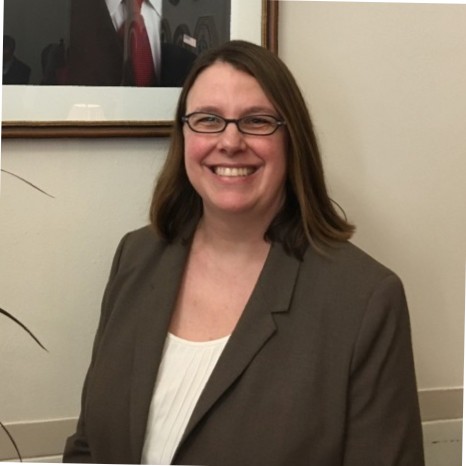
Alyssa Lareau recently joined Wardenski P.C. as Senior Counsel. Wardenski P.C. is a civil rights law firm based in New York City that was founded in August 2021 by former Civil Rights Division attorney Joseph Wardenski. The firm represents individuals and organizations challenging discrimination in education, health care, housing, and voting, and provides strategic legal advice to nonprofit organizations, educational institutions, and other entities on civil rights issues. Alyssa's litigation practice will focus on LGBTQI+ rights. Before joining the firm, Alyssa served as a Civil Rights Division trial attorney from 2009 to 2025 in the Special Litigation and Federal Coordination and Compliance Sections. She also co-chaired the Division's LGBTQI+ Working Group. Alyssa previously worked for Fried Frank and clerked for a federal district court judge in the District of New Jersey. She is a graduate of Georgetown University Law Center.
|
 |
|
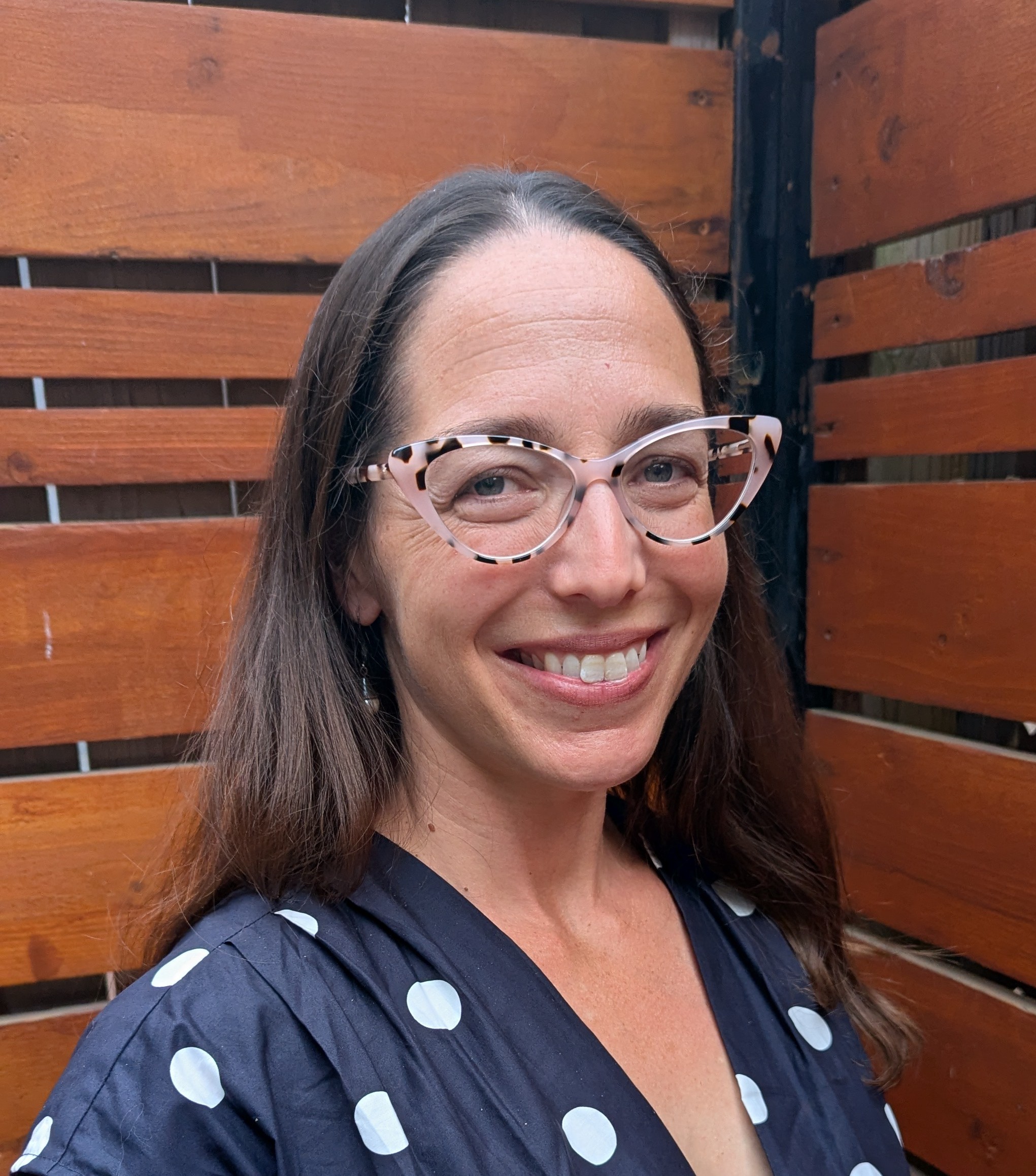
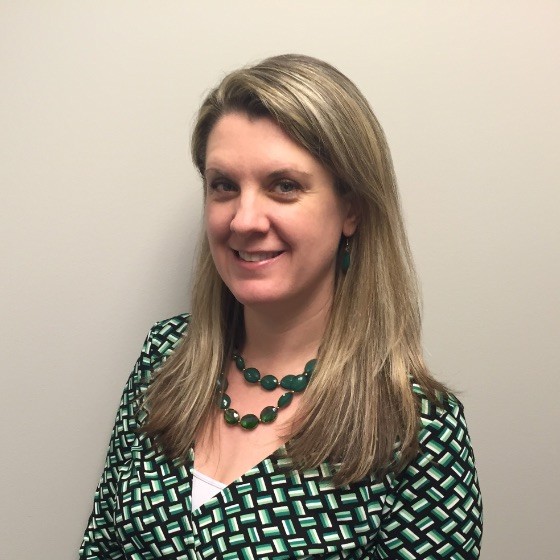
Former Special Litigation Section Deputy Chiefs Deena Fox and Laura Cowell have joined the team of the newly appointed Court Receiver in Coleman v. Newsom, the longstanding federal case addressing the adequacy of mental health care in California’s prison system. They will be supporting full implementation of the court-ordered remedial plan to ensure constitutionally adequate mental health services for incarcerated people statewide. Deena spent 15 years in the Civil Rights Division. She led complex investigations and litigation involving systemic violations of constitutional and statutory rights in state mental health systems, adult prisons, and juvenile justice facilities across the country. Deena also served as a Professional Responsibility Officer for the Division for many years and was a mediator through the Shared Neutrals program. Before joining the Division, Deena completed a fellowship at the Bazelon Center for Mental Health Law. Deena is a graduate of New York University Law School and currently serves on the CRDA Board. Laura spent 21 years in the Division, where she also worked to ensure constitutional conditions of confinement. Before joining the Division, Laura worked in private practice for two years. She is a graduate of Vanderbilt University School of Law. Deena and Laura are pleased to be working alongside many former DOJ attorneys, including fellow Division alum Kathy Toomey.
|
|
|
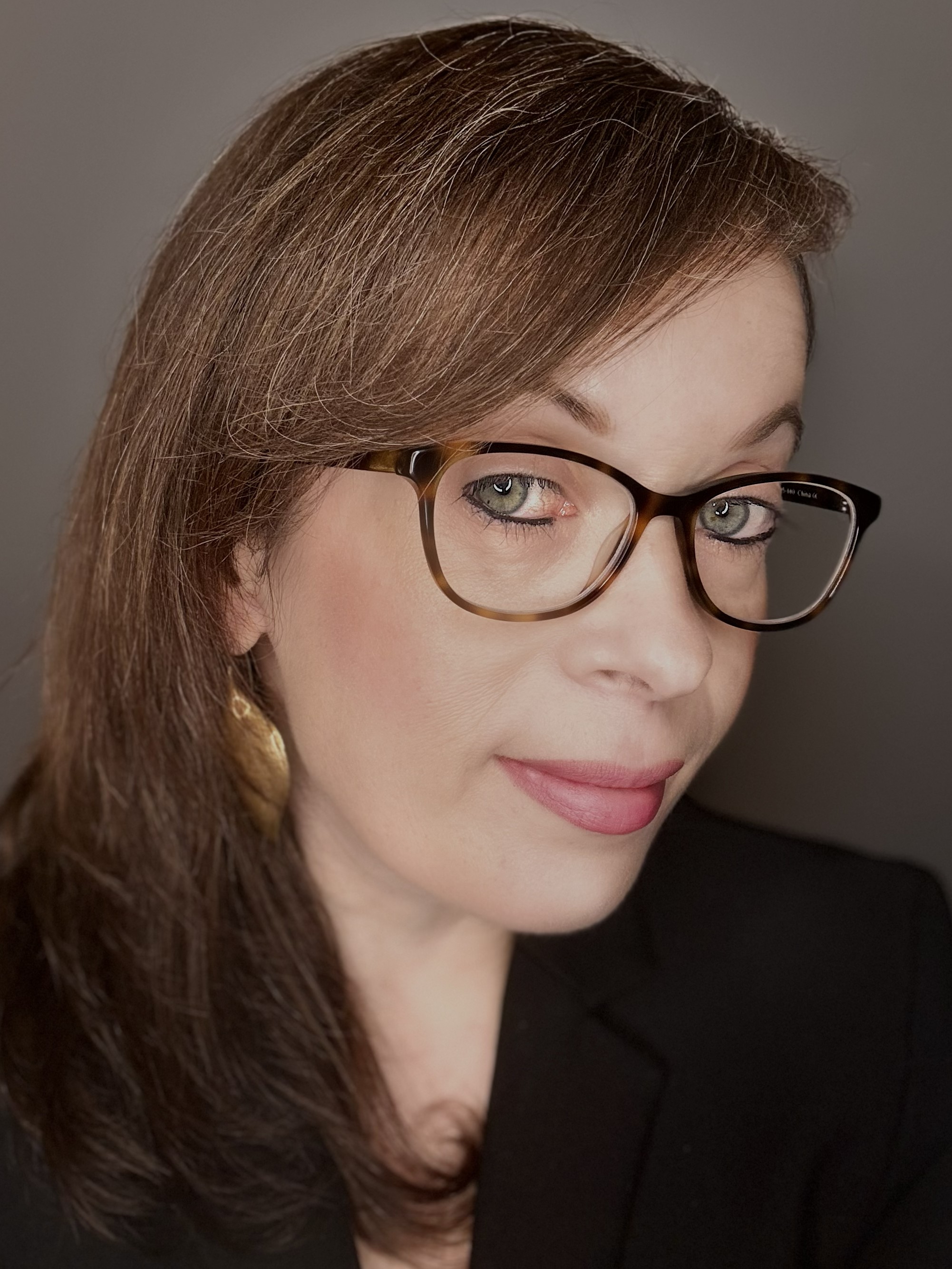
Heather Moss recently joined Democracy Forward as its inaugural Civil Service Defense and Innovation Fellow for Civil Rights. In mid-November, Democracy Forward announced Democracy Works 250, a collaborative effort to reimagine and build a people-centered U.S. government and democracy. This project is supported by a class of former federal employees activated as researchers, storytellers, and strategic organizers. As a fellow, Heather is helping to document how attacks on the civil service harm the public, design solutions to modernize government systems, and expand the coalition of civil rights partners working to ensure that democracy can deliver for everyone. In December, Heather participated in Democracy Forward’s “Civil Service at a Crossroads: Pivoting from the Current Crisis to Generational Change” Convening, where she was joined by other CRDA members, including Jenny Yang, Jon Greenbaum, and Chiraag Bains. Heather explains that “a major goal of the convening was to welcome community-rooted and mission-aligned organizations and individuals who are not traditionally engaged in federal workforce reform to begin charting a path forward together. The energy and optimism at the convening were palpable. I look forward to continuing to build and strengthen our pro-democracy coalitions in the months to come as we focus not only on reimagining what a people-centered government that truly serves all people looks like but also doing the work so that it can be achieved.” Heather invites those who want to be more involved with Democracy Forward’s Democracy Works 250 project to Join the Civil Service Strong Community or email her directly at [email protected]. Before joining Democracy Forward, Heather served in federal civil rights enforcement roles at the Department of Justice over the past five presidential administrations at various levels of responsibility and authority, including in the Civil Rights Division’s Voting and Federal Coordination and Compliance Sections. Heather also served as a Division Chief in the National Highway Traffic Safety Administration’s Office of Civil Rights. Heather is a graduate of Georgetown University Law Center.
|
 |
|
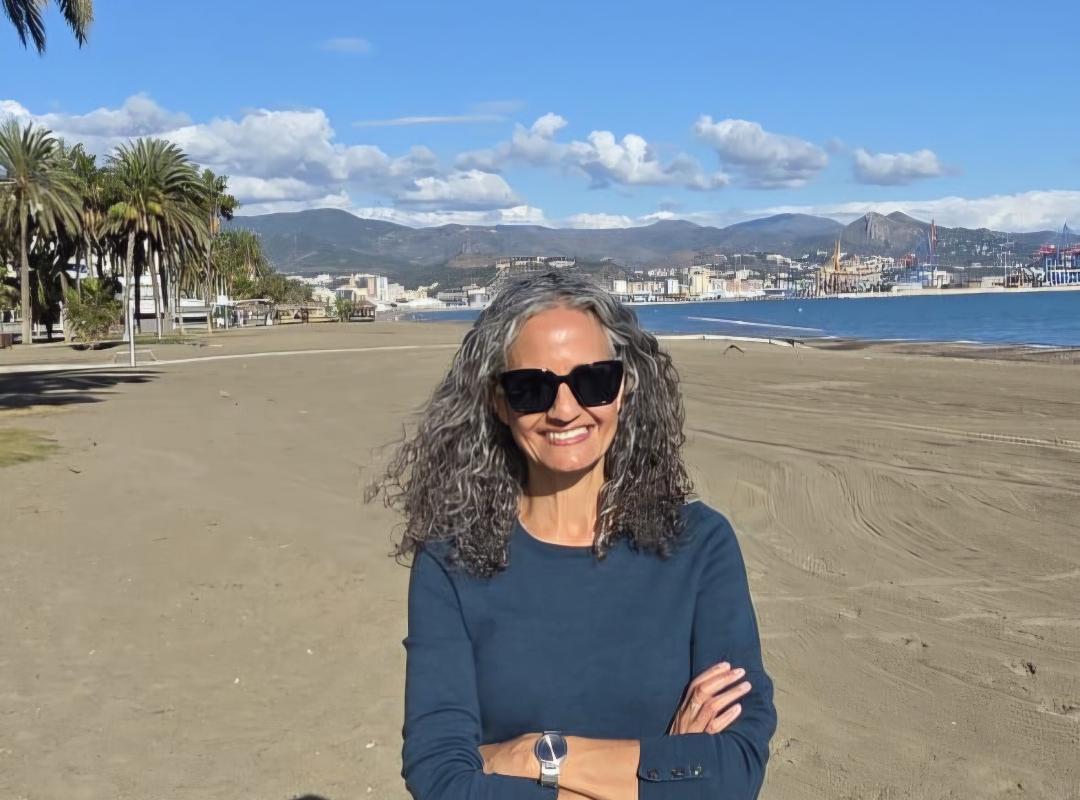
Tovah R. Calderon recently moved to Malaga, Spain, after retiring early from the Department in 2025. She spent nearly 24 years in the Civil Rights Division, mostly in the Appellate Section, eventually serving as the Section’s Principal Deputy Chief. Tovah also served in various other government roles. In 2021, Tovah served on detail to the front office as an Acting Deputy Assistant Attorney General. From 2010 to 2012, Tovah was detailed to the Division’s then-newly established Policy and Strategy Section to help launch the new program. She also completed details to the Senate Judiciary Committee and the White House Domestic Policy Council. Before joining the Department, Tovah clerked in the U.S. Court of Appeals for the Fourth Circuit. She graduated from Howard University School of Law. Since moving to Spain with her husband, she has enjoyed long walks on the beach, taking advanced Spanish classes, volunteering as a vintage charity shop assistant for the Cudeca Foundation, picking olives in a nearby village, traveling, making new friends, and working with former Division colleagues on the CRDA Board of Directors. Tovah loves hearing from Division friends and hopes to hear from anyone with plans to travel to southern Spain! |
 |
4. CRDA OCTOBER HAPPY HOUR

On October 29, 2025, CRDA members met for happy hour at Salazar on 14th Street. The event reportedly was a success, with around 30-40 people attending.
5. ALUMNI HOLIDAY PARTIES
Former members of the Division gathered in December to celebrate the holidays!
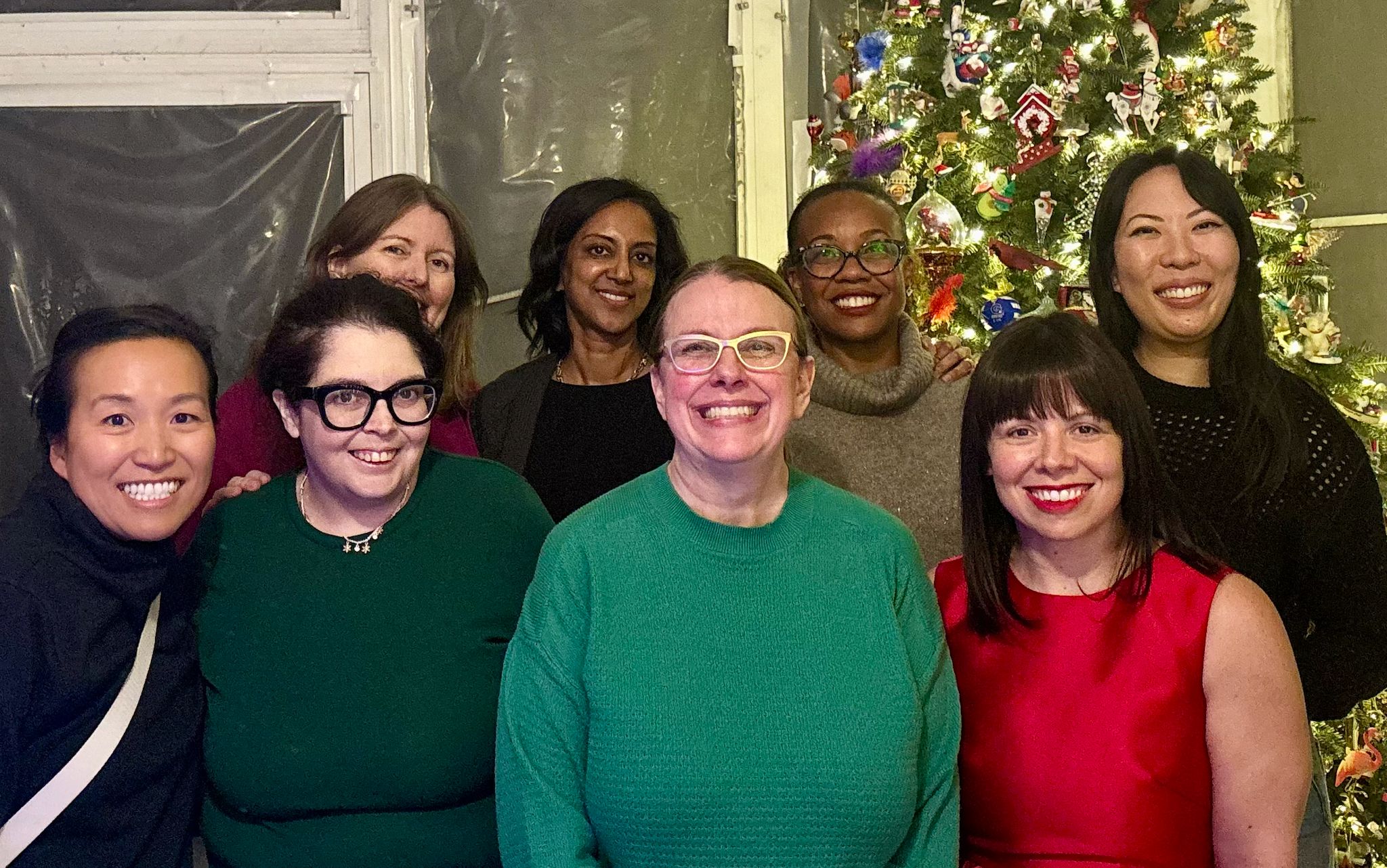
Pictured above, former members of the Federal Coordination and Compliance Section gathered to celebrate the season. Pictured below, former members of the Appellate Section celebrate the holidays while watching a video greeting sent by one of their former managers who now lives abroad.


Pictured above, Christine Stoneman, Karen Woodard, and Daria Neal pose for a selfie at a holiday happy hour for former section chiefs.
6. ROUNDUP OF RECENT CIVIL RIGHTS DIVISION NEWS
The Department of Justice eliminates disparate impact provisions from implementing regulations for Title VI of the Civil Rights Act of 1964. Consistent with the administration’s position to disavow disparate impact as a legitimate theory by which to prove discrimination, as articulated in Executive Order 14281, the Department issued a Final Rule eliminating disparate impact liability under its Title VI regulations. The Rule, issued without the standard notice and comment period provided for under the Administrative Procedure Act, was effective upon issuance. Former Section Chief of the Federal Coordination and Compliance Section, Christine Stoneman, was quoted in the Washington Post regarding the rulemaking and lack of notice and comment, asking “How is it good government and responsive to the people when the attorney general eliminates an important civil rights tool that has been used to root out discrimination for nearly 60 years and does so without public comment?” Stoneman, Bonnie Robin-Vergeer (Former Section Chief, Appellate), Regan Rush (Former Section Chief, Special Litigation), and Shaheena Simons (Former Section Chief, Educational Opportunities) also authored a Letter to the Editor rebutting assertions published in a Washington Post editorial that had touted the benefits of the rulemaking.
The Civil Rights Division continues to prioritize enforcement of gun rights, creating new Second Amendment Section. The Division recently established a new litigating section within the Division, the Second Amendment Section, to “ensure that law-abiding American citizens may responsibly possess, carry, and use firearms” and “to advance a broad interpretation of the 2nd Amendment via statements of interest, motions to intervene, amicus briefs, and original lawsuits where applicable on behalf of Americans across the country.” According to the press release, “ [a]ll attorneys within the 2nd Amendment Section will advocate with zeal on behalf of the United States of America in furtherance of all objectives as tasked.” The Department’s plans to create the new section were previously reported by Reuters. The Division has now sued two jurisdictions for alleged violations of the Second Amendment. On December 22, it sued the District of Columbia, alleging that “the District government and MPD unconstitutionally ban the AR-15 and many other firearms protected under the Second Amendment.” The lawsuit was covered by major media outlets, including CNN, the New York Times, the Washington Post, and the BBC. On December 16, it sued the Virgin Islands Police Department for “unconstitutional practices resulting in effective denials of gun permits” under the Supreme Court’s Second Amendment decision in New York State Rifle & Pistol Association Inc. v. Bruen. The lawsuit was covered by Reuters and Courthouse News Service.
The Division prioritizes gaining access to sensitive voter data and reverses position with respect to proof of citizenship to register to vote. The Division has sued 23 States and the District of Columbia under Title III of the Civil Rights Act for refusing to produce voter registration lists, as ABC News and several other outlets have reported. And as NBC News and other outlets have reported, a district court judge recently dismissed the lawsuit against California. The Division has also sued Fulton County, Georgia, for records related to the 2020 election. The Voting Section previously sent demand letters to several states seeking access to their voter rolls. While some states cooperated with those demands, at least ten states responded with questions regarding how the Department planned to use those records and whether they would be shared with the Department of Homeland Security (DHS). Although DHS initially denied that it was receiving voter registration data, the administration later confirmed that DOJ was sharing the data with DHS to “scrub aliens from voter rolls.” The Brennan Center is tracking DOJ’s voter registration data requests as well as the states’ responses. Additionally, The Division, which filed a successful lawsuit in 2022 challenging Arizona’s law requiring documentary proof of citizenship to register to vote in federal elections, filed a Statement of Interest in July 2025 defending Wisconsin’s right to require such proof to register to vote.
The Division files civil FACE Act lawsuit against pro-Palestinian demonstrators outside a synagogue. The Division relied on a rarely-used provision of the FACE Act to bring a civil action against pro-Palestinian demonstrators, alleging that the demonstrators interfered with individuals’ First Amendment free exercise rights at a place of religious worship. As reported by the Associated Press, the demonstration at issue occurred during a real estate fair that promoted the sale of homes in Israel and in settlements in the occupied West Bank. The suit follows an earlier Statement of Interest filed in March 2025.
The Division intervenes in a lawsuit challenging a school district’s gender identity policy. The Division is seeking to intervene in a private lawsuit challenging a school district policy that allows transgender students to play on sports teams and use restrooms consistent with their gender identities. The policy also requires that students be addressed by the names and pronouns consistent with their gender identities. The Division claims that the policy requires students and staff to conform their speech and behavior to the district’s understanding of “gender identity” in opposition to their Christian religious beliefs and thus denying them equal protection in violation of the Fourteenth Amendment. The legal action received local and national news coverage. Meanwhile, the Department sided with defendants in a Supreme Court case challenging state laws that prohibit transgender women and girls from competing on women’s and girls’ school sports teams, as reported by SCOTUSBlog.
Former DOJ attorneys describe internal turmoil and departures during Trump’s second term and publicly criticize changes to DOJ civil rights enforcement. On November 16, 2025, The New York Times Magazine published an article, “The Unraveling of the Justice Department,” which examined the experiences of former Department attorneys, including many Civil Rights Division alumni. The article is based on interviews with more than 60 career attorneys who resigned or were dismissed from the Department during President Trump’s second term. Beginning with the administration’s first day in office, the attorneys recount a series of events over the following ten months that raised concerns about the Department’s direction and adherence to longstanding professional norms. And on December 9, 2025, Reuters reported on a public letter signed by more than 200 former Division employees, criticizing what they described as the Division’s dismantling. The letter, published the same day by Justice Connection, outlines concerns about staffing losses, shifts in enforcement priorities, and the erosion of the Division’s independence. The letter’s signatories include former career attorneys and deputy chiefs across multiple administrations. Finally, on December 12 and 13, 2025, ProPublica and The Los Angeles Times published articles examining the Department’s investigation into allegations of antisemitism at the University of California, including UCLA (see ProPublica, “The Shakedown: Trump’s DOJ Pressured Lawyers to ‘Find’ Evidence That UCLA Had Illegally Tolerated Antisemitism” and Los Angeles Times, “Ex-Trump DOJ lawyers say 'fraudulent' UC antisemitism probes led them to quit”). Both articles draw on interviews with former Division attorneys who participated in or observed the investigation and later resigned. The reporting describes concerns raised by these attorneys about the pace, scope, and direction of the inquiry, which departed from customary investigative practices.
Criminal Section leaders resign over DOJ’s refusal to investigate ICE shooting. MS NOW and CBS News report that several members of the Division's Criminal Section, including the Chief and at least three other supervisors, have resigned after the Department refused to open a civil rights investigation into whether an ICE officer used excessive force in shooting and killing Minnesota resident Rachel Good on January 9. The Department’s refusal to investigate was previously reported by CBS News. Meanwhile, the New York Times has reported that the Department is investigating Good’s “possible connections to activist groups protesting the Trump administration’s aggressive immigration enforcement, in addition to the actions of the federal agent who killed her.” The same article confirms that the Department has not opened and is not expected to open a civil rights investigation into the ICE officer’s actions.
The Division continues to pursue some traditional civil rights work. Despite recent departures and changes, some dedicated career staff have remained at the Department, ensuring that the Division continues to pursue some longstanding enforcement interests. For example, the Division continues to pursue sexual harassment claims against landlords under the Fair Housing Act, suing the Missouri Housing Authority for sexual harassment of a public housing applicant; a former property owner of an Arkansas rental apartment complex; and a rental property owner/manager in Michigan. The Division also secured a $480,000 settlement in a suit alleging a former rental manager had sexually harassed female tenants and prospective tenants for almost 20 years and a $325,000 settlement against an Iowa landlord and property manager in a suit alleging sexual harassment that lasted more than two decades. Additionally, the Division secured a settlement agreement with South Carolina to resolve findings and a complaint alleging that the State violates the Americans with Disabilities Act (ADA) and the Supreme Court’s Olmstead decision by unnecessarily segregating adults with serious mental illnesses in institutional settings. The Division, together with the U.S. Attorney’s Office for the Middle District of Florida, also launched an investigation into United Parks & Resorts Inc. to determine whether it violates Title III of the ADA by discriminating against guests with disabilities by excluding people who use certain walkers from three different theme parks.
7. CRDA MEMBER REFLECTION
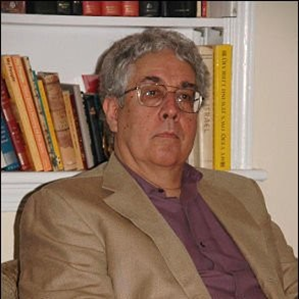
“The Human Factor” by Howard Feinstein (Civil Rights Division, 1976-1987)
As lawyers, we are trained to represent clients, which can include the federal government. Our personal views are irrelevant; we never use the word “I.” As Civil Rights Division attorneys, we skewed toward a liberal orientation, certainly in matters of race and other forms of discrimination. But we were ultimately employees of the Department of Justice, not a warm and fuzzy place. For young attorneys, the hours were considerable, with not a penny of overtime or compensatory time pay. There was constant travel to less than desirable locales, and our per diem allowance meant lackluster motels and nutrition-free meals. More significantly, we were often met with hostile local populations, and unsympathetic U.S. Attorney Offices. The jewels in this crown tended to be federal judges who did not exactly share Nelson Mandela’s views.
Not the most favorable circumstances for prevailing in litigation. To my way of thinking, it was our personal views, most significantly empathy for victims of discrimination, which carried us through. These feelings almost always were born long before our service in the Division, and could be traced to a wide variety of personal histories.
In my case, I grew up financially secure, if not extravagantly so, in post-war suburban America. Moreover, my home state of California featured not only a booming economy, but cradle-to-grave first-rate public education. Student loans were an unknown concept, as higher education was blissfully tuition-free for in-state residents.
However, none of this meant that I was immune to the sting of prejudice. Swastikas, iron crosses, and similar charming Third Reich décor adorned my textbooks and lockers. Fellow students, and more than the occasional teacher, rarely missed an opportunity to remind me of my heritage, provoking a stream of visits to the principal’s office by my parents, generally to little avail. Until I went off to college, I thought my name was “Jew Bastard.”
But despite the above, I lived an objectively comfortable life. No one was denying my right to vote. I wasn’t pulled over by California’s ubiquitous Highway Patrol on flimsy pretext. Employment and housing discrimination were policies I had demonstrated against, but certainly were not going to affect me personally.
But in my Civil Rights Division service, I found myself dealing head-on with the type of life-destroying, soul-crushing bigotry which I was pledged to battle:
- African American students in poor southern communities condemned to pitifully inadequate educational opportunity;
- Minority victims of Ku Klux Klan campaigns of terror, their homes, farms, and places of business shot up;
- Allies, sometimes white, of pro-civil rights activists losing their jobs in retaliation;
- Black, Hispanic, and Asian “Lives Matter” victims of law enforcement brutality …
Sure, I could say that I knew a little something – just a little – about being on the receiving end of this existential fear, but this was really a different world.
And for some people, sometimes, the Civil Rights Division proved to be their only hope of some degree of justice, redress, or even acknowledgment. One such matter occurred in a small northern town, where a group of recent high school graduates repeatedly terrorized and vandalized the first Black family in their neighborhood, culminating in the midnight burning of a large wooden cross on the family’s front lawn. “Everyone” was said to know the ringleader’s identity, but no students or neighbors spoke up. The local police department dismissed the matter as a youthful prank; so did the district attorney. The U.S. Attorney’s Office wanted nothing to do with it, and neither did the FBI. This latter declination became clear to me when the agent assigned to the case deemed the victim, a single mother, to be a “pain in the ass,” referring to her as “dark meat.”
Fortunately, my Criminal Section supervisors asked me to take a fresh look at the file. It sure looked to me to meet the requirements for violent interference with fair housing. I placed a call to the victim, letting her know I’d be coming to town. She was momentarily silent, and then exclaimed, “You’re from the United States Department of Justice? You mean to tell me that you’re coming up here from Washington, DC for my case? I can’t believe it! I can’t believe it!”
I spent a good amount of time in the community. The family’s sense of grievance and isolation were palpable, due to continuing frustration.
The culprit was convicted. But while we division attorneys achieve legal victories, we don’t necessarily change lives. As with many, if not most, of my cases, the trauma of the underlying incident did not go away, and both mother and son endured a tragic future.
This is how it goes. There can be vindication on the legal playing field, but the scourge of discrimination too often leaves an indelible stain. My Criminal Section supervisors did the right thing. No one else at the local and federal levels gave a damn. Without this sense of mercy, there is no justice. The key question is: Does that call from Washington that I made still take place today?
8. IN MEMORIAM
| Dorrence Davis Andrews passed away on September 12, 2025. She was born on August 8, 1957, in Portsmouth, Virginia. Dorrence had a 34-year career in the federal government, including as a secretary in the Division’s Criminal Section. Her obituary was published on Legacy.com by Cooke Bros. Funeral Chapel & Crematory - Downtown. | 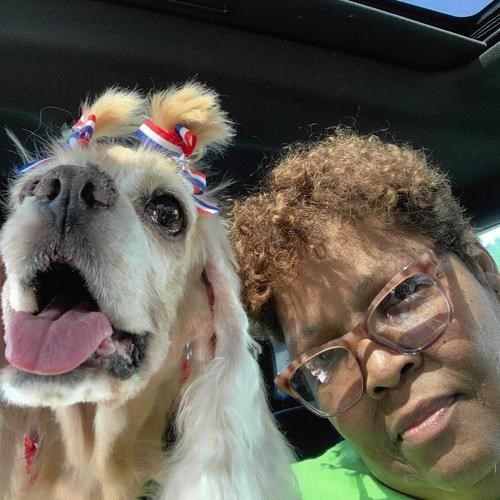 |
| Bill D. Etter of Jonesboro passed away on November 14, 2025. He was born on November 11, 1943. Bill had a long career as an attorney, which included time as a law clerk in the Division’s Education and Housing Sections of the Civil Rights Division. He later served in various state government roles in Arkansas and as President of Legal and Advocacy Services of Arkansas. Bill’s obituary was published online by Emerson Funeral Home. | 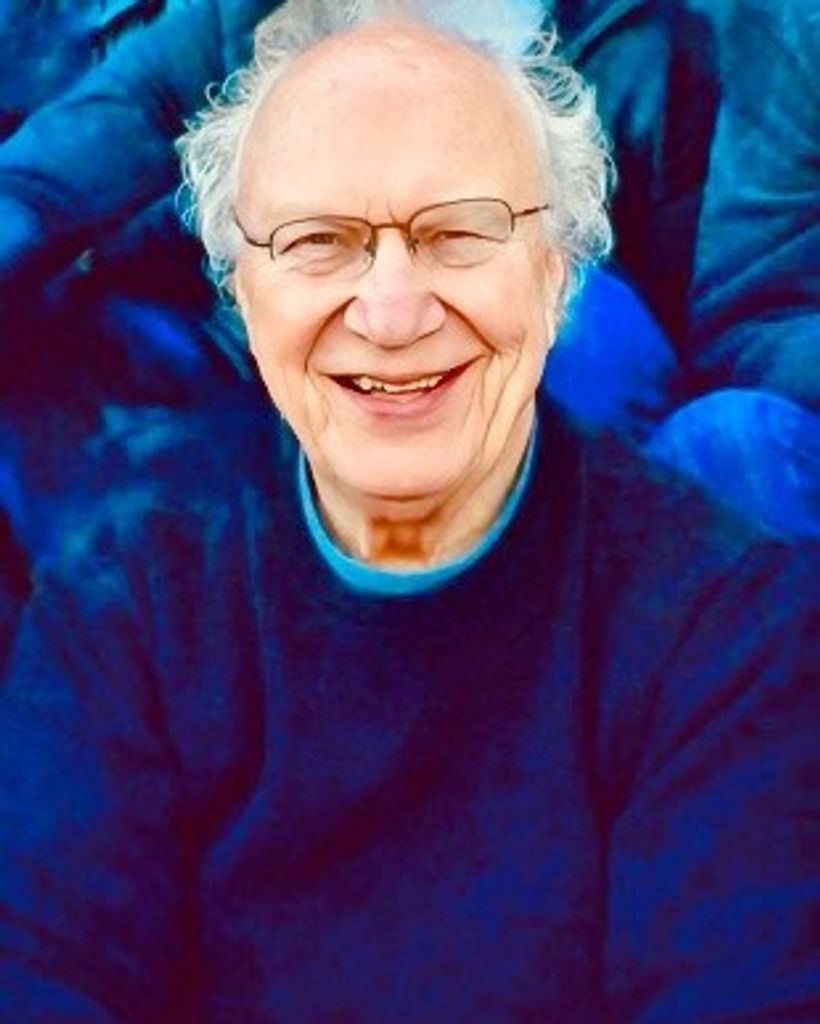 |
Karl Shurtliff passed away on April 18, 2025 at a Boise, Idaho, care facility. Before a long career in private practice that led him to argue many cases on appeal, including in the U.S. Supreme Court, Karl spent six years, in the late 1960s and early 1970s, as a senior trial attorney in the Civil Rights Division. While he worked on many important cases there, he dedicated a significant portion of his tenure to monitoring polling places and voting practices for compliance with the Voting Rights Act. Karl’s obituary was published on Legacy.com by the Idaho Statesman.
9. JOIN THE CRDA LINKEDIN GROUP

Have you joined our private LinkedIn Group yet? If not, you may be missing out on job announcements, civil rights news, and updates from former colleagues! Request to join now at this link.
10. THANK YOU TO THIS ISSUE’S VOLUNTEER CONTRIBUTORS AND EDITORIAL STAFF!

Thank you to everyone who submitted content to this issue of the CRDA Newsletter! We couldn’t have done it without you. A special thanks to this issue’s editorial staff: Emily Brailey, Tovah R. Calderon, Dylan de Kervor, Lisa Edwards, and Nadia Said.
Do you like this page?