
Here is your Spring Newsletter!
Civil Rights Division Association
NEWSLETTER
April 2026 (Issue 19)
The Civil Rights Division Association (CRDA) is a non-partisan organization composed primarily of former employees of the Department of Justice Civil Rights Division. The CRDA is a membership organization and is not affiliated with the U.S. Department of Justice or any other government agency. Any views expressed in the CRDA Newsletter are those of the author. The CRDA Newsletter provides information on CRDA activities, member updates, and information about the work of the Civil Rights Division. We are very excited to be able to stay connected with CRDA members and encourage member networking. Still need to join the CRDA? Please visit CRDA's website at CRDAssociation.org!
IN THIS ISSUE
1. FROM YOUR CRDA BOARD
2. ALUMNI UPDATES
3. RECENT ALUMNI EVENTS
4. ROUNDUP OF RECENT CIVIL RIGHTS DIVISION NEWS
5. CRDA MEMBER REFLECTION
6. THE PARTNERSHIP FOR PUBLIC SERVICE INVITES FORMER FEDERAL WORKERS TO GET INVOLVED
7. JOIN THE CRDA LINKED IN GROUP
8. THANK YOU!
1. FROM YOUR CRDA BOARD
Wow, there's a lot here--special thanks to this issue’s editorial staff: Tovah R. Calderon, Dylan de Kervor, and Nadia Said.
2. ALUMNI UPDATES
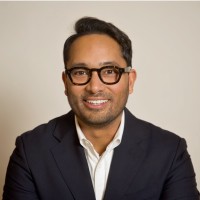 Ejaz Baluch, Jr. started a new position as a Senior Staff Attorney on the litigation team of Asian Americans Advancing Justice. In this role, he litigates cases related to immigration, voting rights, education, and other civil rights issues impacting Asian Americans and immigrant communities.
Ejaz served as a senior trial attorney in the Division’s Employment Litigation Section from 2019 to 2025. Before that, he was a Francis D. Murnaghan, Jr. Appellate Advocacy fellow and a law clerk for a judge in the United States District Court for the District of Maryland. He graduated from George Washington University Law School.
Bobbi Bernstein and Barbara Bosserman are excited to announce the launch of their new civil rights firm, Bernstein & Bosserman.
Their new firm has several areas of focus: first, they are offering assistance (from consulting to full investigative and trial work) to state and local prosecutors who are pursuing criminal civil rights cases as those offices try to fill the gaps left by DOJ’s recent changes in direction; second, they are doing criminal defense of people targeted by the current DOJ, focusing particularly on people unjustly targeted for criminal civil rights investigations or prosecutions; third, they are representing individuals in lawsuits based on misconduct (primarily excessive force or sex assault) by local, state, or federal law enforcement; and fourth, they are supporting other civil rights lawyers by offering customized trainings, brief-writing, and trial support.
Bobbi and Barbara previously served as Deputy Chiefs in the Division’s Criminal Section. They retired last year, after more than 50 years’ combined DOJ service. As much as they were loving their retirement, they felt like they couldn't just sit on the sidelines and watch the destruction of civil rights in this country. They're finding their new adventure equally daunting and exhilarating.
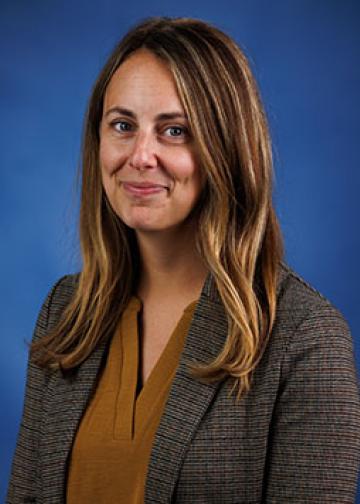 Sharon Brett is now an Associate Professor of Law at the University of Kansas School of Law where she teaches civil procedure, evidence, federal courts, and a seminar on law and social change.
Sharon was a trial attorney in the Division’s Special Litigation Section from 2013 to 2018. Her scholarship draws on her experiences handling police misconduct cases with that section, and considers procedural, structural, and doctrinal barriers to reforming government agencies, specifically state and local police. Sharon also serves as the faculty advisor to the law school's chapter of the American Constitution Society and would welcome the opportunity to bring Division alums to campus to talk with students about their careers within and after government service. You may contact her at [email protected] if interested.
Gilbert Paul Carrasco recently prevailed in an appeal involving plaintiffs' right to an award of attorneys' fees under the Civil Rights Attorney's Fees Awards Act of 1976, as amended, and costs under the Equal Access to Justice Act.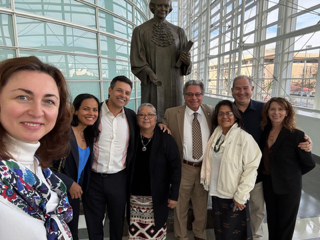
Gilbert served in the Division from 1980 to 1984, first as Special Assistant to Deputy Assistant Attorney General John E. Huerta in the office of former Assistant Attorney General Drew S. Days III. Gilbert later served as a Trial Attorney in the General Litigation Section under Thomas M. Keeling, then its Chief, and Walter Gorman, then its Deputy Chief, and shared an office with Michael H. Sussman.
Gilbert is now a Professor of Law Emeritus at Willamette University College of Law. He represents the Church of the Eagle and the Condor (CEC), a church registered in Arizona that uses ayahuasca as its sacrament. Ayahuasca is a sacred tea that is made from a vine and leaf that grow in the Amazon rainforest and that is on the controlled substances list because it contains trace elements of di-methyltryptamine (DMT). The church has its roots in the ancestral spiritual practices of both North and South America. Its spiritual leader is Joseph Tafur, M.D., Ayahuasquero, co-founder, board member, and plaintiff for the CEC, and its other leaders include Belinda Eriacho, MPH/MT, of Diné (Navajo) and Zuni Pueblo lineages, also a co-founder and board member (both of whom are in the photograph to the right).
The case originated when a shipment of the sacred medicine, as it is referred to because of its spiritual healing properties, was confiscated by Customs and Border Protection. Shortly thereafter, Gilbert, along with four co-counsel, filed suit against the United States under the Religious Freedom Restoration Act of 1993, the Free Exercise Clause of the First Amendment, the Fifth Amendment Due Process Clause and its equal protection component, and the Ninth Amendment retained rights of the people. Following the denial of a motion to dismiss, plaintiffs entered into a settlement agreement with the government.
Although the Agreement contains seven references to attorneys' fees, includes a provision for retention of jurisdiction by the District Court for the District of Arizona, and provides all of the substantive relief plaintiffs sought, the district court denied all fees and dismissed the case sua sponte with prejudice. Gilbert served as lead counsel and argued the appeal on January 6, 2026.
On March 20, 2026, the Ninth Circuit reversed, holding that the dismissal was in error, that plaintiffs were the prevailing party under the Civil Rights Attorney's Fees Awards Act of 1976 and the Equal Access to Justice Act, and that it was an abuse of discretion for the district court not to retain jurisdiction (since it had purported to enforce the agreement). The decision was covered by Law360. The photograph above was taken outside the Ceremonial Courtroom in Phoenix just after the appeal was argued. The man to the left of the Justice Sandra Day O'Connor statue is the Spiritual Leader of the Church, Dr. Joseph Tafur. Gilbert is just to the right of Justice O'Connor. Also pictured is Belinda Eriacho, co-counsel Martha J. Hartney, and other members of the CEC and the CEC Wisdom Keeper.
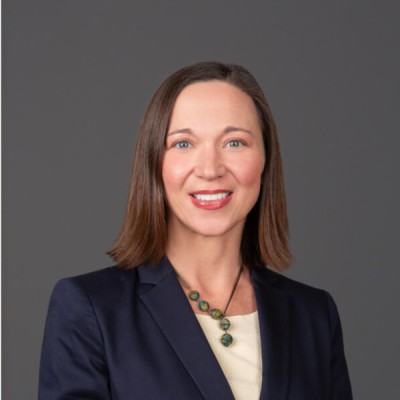 Kerry Krentler Dean has joined Kirkland & Ellis as a partner. Kerry previously served as a Deputy Chief in the Division’s Special Litigation Section, where she focused on constitutional conditions of confinement for youth and adults. She recently left the Department after 22 years of service. Before that, Kerry spent three years as an Associate at O’Melveny & Myers, following her graduation from Duke Law School.
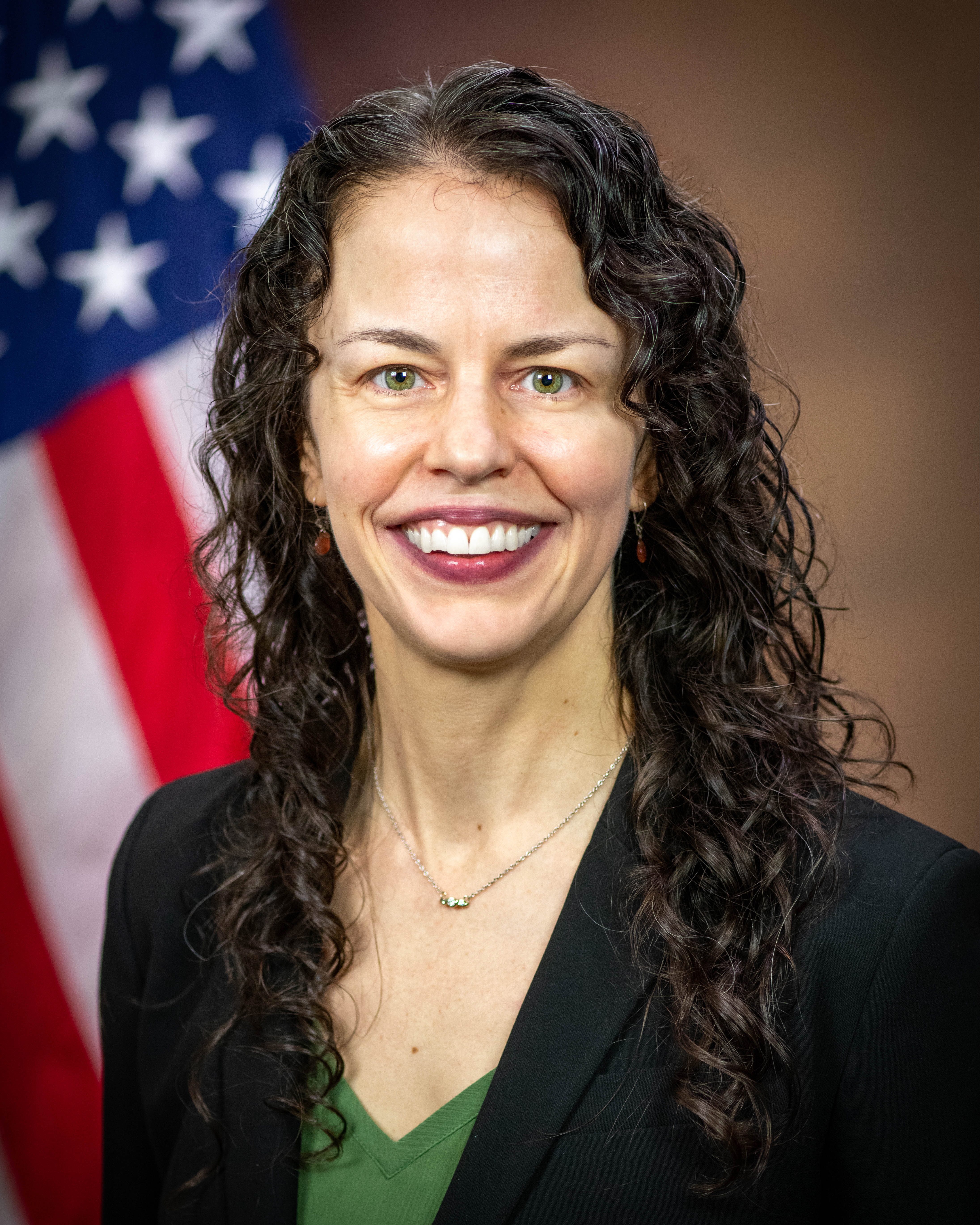 Sydney Foster is now a senior counsel at the Washington Litigation Group, a boutique law firm dedicated to defending the rule of law on a pro bono basis.
Sydney joined the firm following four years in the Division’s Appellate Section, where she most recently served as Acting Chief and Deputy Chief. Previously, Sydney was an Assistant General Counsel at the Equal Employment Opportunity Commission, where she supervised a team of litigators handling employment-discrimination appeals. Before that, Sydney served for ten years as an attorney on the Appellate Staff of the Department of Justice’s Civil Division. In that capacity, Sydney personally handled a wide range of appeals involving constitutional and other challenges to the Executive Branch’s actions.
After graduating from Yale Law School, Sydney clerked for Judge Marsha Berzon of the U.S. Court of Appeals for the Ninth Circuit. She then served as a Climenko Fellow and Lecturer on Law at Harvard Law School, where she published articles in the Georgetown Law Journal and the Texas Law Review.
Erin Meehan Richmond is excited to share that she has started a new chapter as the founder and owner of De Novo, a consignment shop opening this spring in Hyattsville, Maryland.
Following graduation from New England Law School, Erin spent 24 years as an attorney in the Division’s Housing and Civil Enforcement Section. For the last seven years, she served as the Section’s Sexual Harassment Counsel and Coordinator.
After leaving DOJ last year, Erin spent a lot of time thinking about what she wanted to do next. What ended up making her most excited was the idea of building something from the ground up that was more hands-on, community-centered, and earth-friendly. De Novo will offer a curated mix of women’s clothing and accessories—giving beautiful pieces a second life while making sustainable shopping feel welcoming and fun.
Erin says that starting a small business has already been equal parts exhilarating and humbling, and she is incredibly grateful for the encouragement that she has received along the way.
If you live in the area, Erin would love your support as she prepares to open. You can:
- Follow along on Instagram and Facebook: @denovoconsignments
- Share the news with friends, family, and co-workers who love style, sustainability, or small businesses
- And of course, come visit once our doors open!
Erin can be reached out at [email protected] and would love to hear from CRDA members.
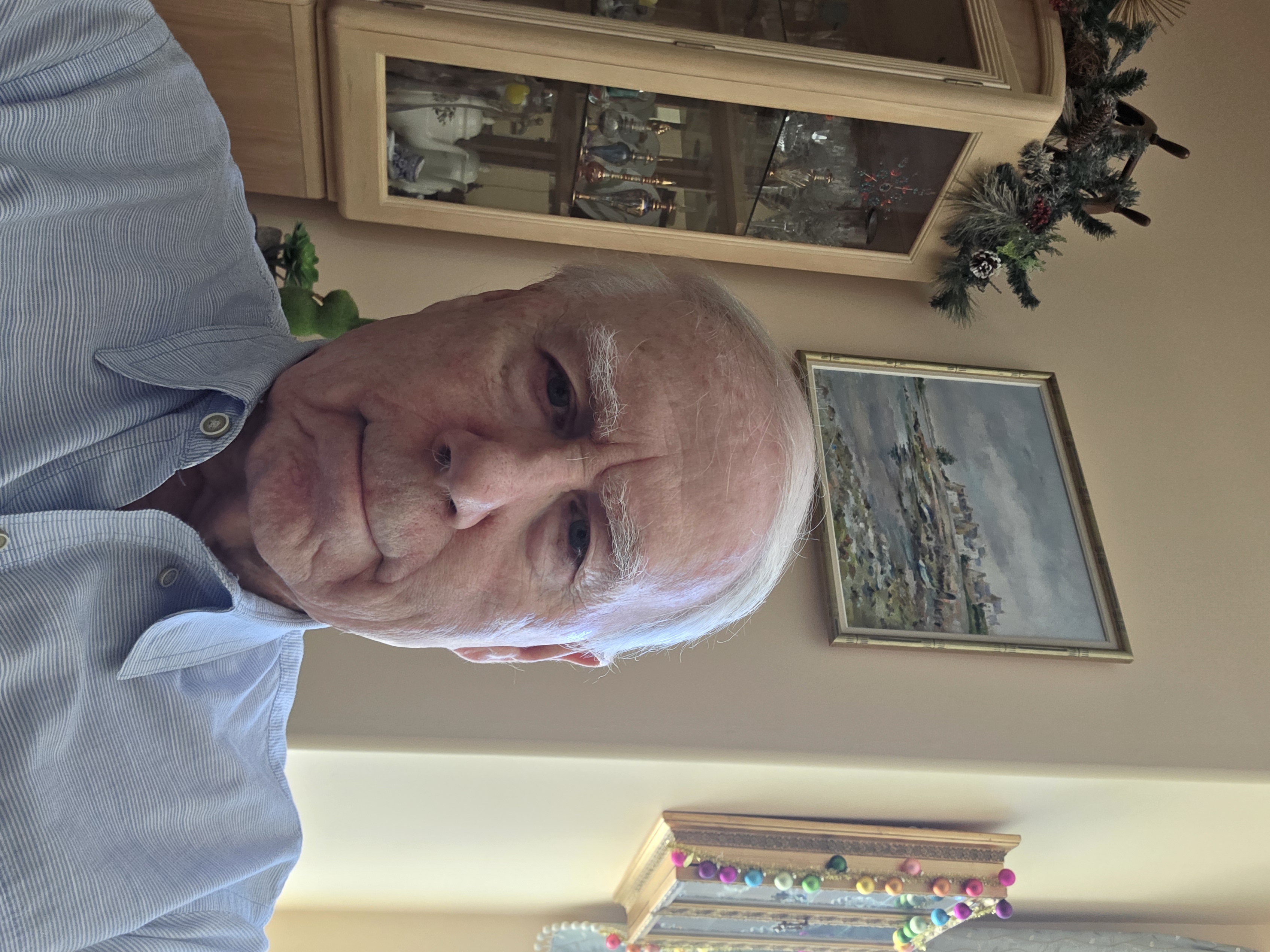 The Civil Rights Litigation Clearinghouse has published two new memoirs by Division alumni.
In “The Mystery of Race in America,” Richard J. Ritter (Civil Rights Division, 1971-1994) discusses his background and legal work, with particular focus on six "pattern or practice" race discrimination cases litigated during his time in the Division and after leaving the Division. Ritter explains that "[t]hese six cases discuss the causes and motivations for various forms of racism in our society."
And in “My Work in the Civil Rights Division's Education Section, 1968-1987,” Joseph Rich (Civil Rights Division, 1968-2005) reflects on his 37-year career with the Division, with particular focus on his work on equal education-related cases with the Division's Educational Opportunities Section between 1968 and 1987.
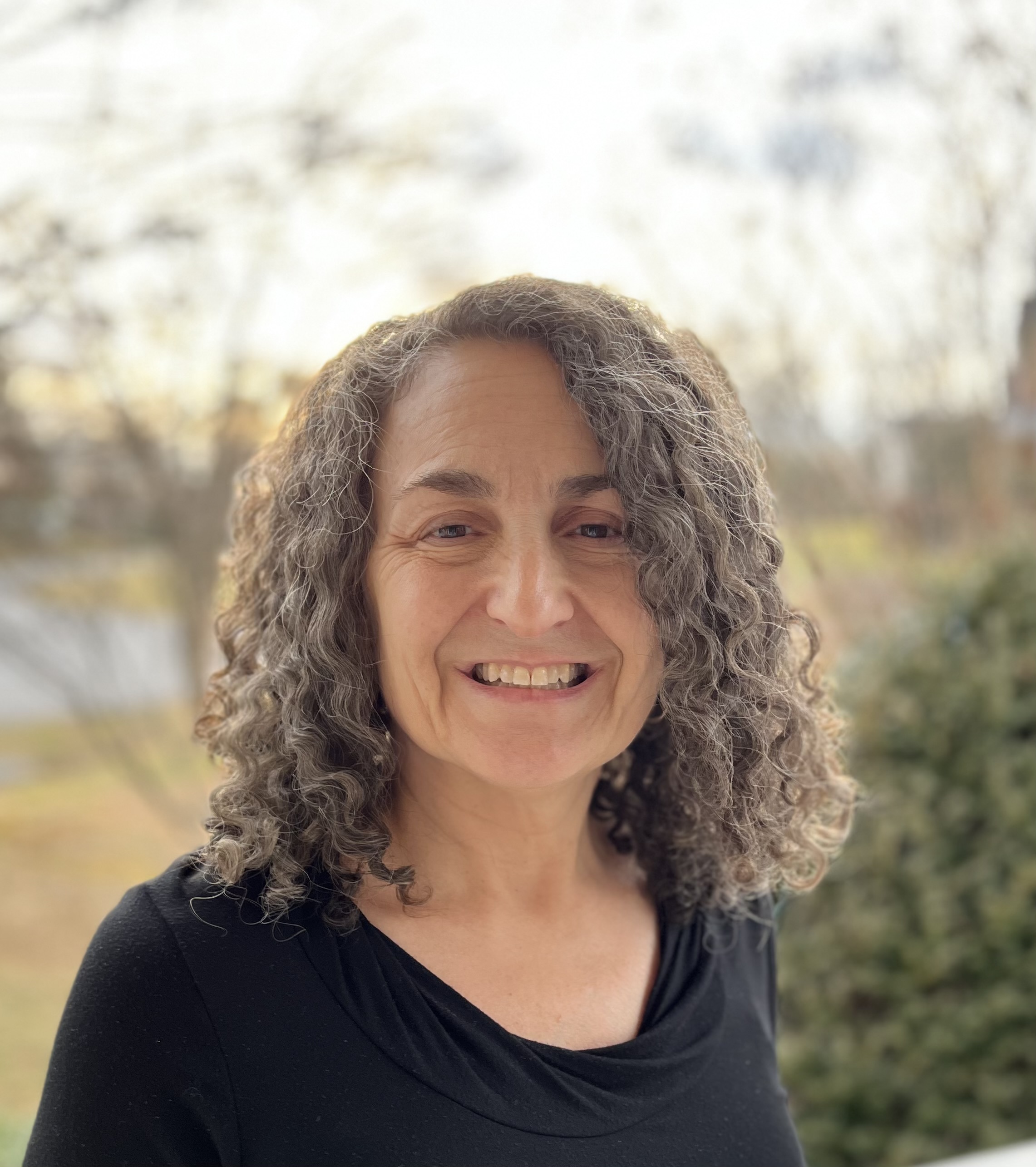 Wendy Patten was recently appointed a Distinguished Fellow at the Human Rights Institute at Georgetown Law. She mentors law students, guest lectures in classes, and contributes to human rights scholarship and discourse. She also engages with human rights practitioners to advance human rights in the United States and internationally.
From 1997 to 2002, Wendy worked at the Department of Justice, where she handled a wide range of criminal justice, Violence Against Women Act, and immigration issues. But it was her work on early USG efforts to address human trafficking where she worked closely with Civil Rights Division attorneys. From the Office of Policy Development (now OLP), she was deeply involved in the drafting of the Trafficking Victims Protection Act (TVPA) as well as in U.S. engagement with drafting and negotiating the UN Protocol on Trafficking in Persons. After a detail to the White House working on human rights, refugee, and humanitarian issues at the National Security Council, she joined the Division’s Criminal Section as Special Counsel on Trafficking in Persons. She spent about a year there working on implementation of the newly-enacted TVPA, including developing regulations and crisscrossing the country with Lou DeBaca to lead training sessions with U.S. Attorney's Offices, local law enforcement, and advocates for survivors.
After leaving DOJ, Wendy worked at Human Rights Watch (2002-2005), the American Bar Association Rule of Law Institute (2005-2007), Open Society Foundations (2007-2021), and as an independent consultant to human rights, refugee, and justice NGOs (2021–present). Wendy writes that “her claim to fame is working with Tovah Calderon before Tovah went to law school. Tovah was the volunteer coordinator at Ayuda, a legal services provider in DC, and Wendy was a (very young!) staff attorney.” Wendy worked at Ayuda before joining DOJ and after graduating from Harvard Law School.
Bonnie Robin-Vergeer recently joined States United Democracy Center as a Senior Legal Fellow.  States United is a nonpartisan organization that helps provide state and local officials across the country with the tools and expertise they need to uphold the rule of law and maintain free, fair, and secure elections.
Bonnie served in the Division’s Appellate Section from 2014 to 2025—for the last three years, as Chief. She previously served as a Deputy Chief, Special Litigation Counsel, and Senior Attorney in the same section.
Before joining the Division, Bonnie worked for three years in the Department’s Office of Legal Counsel. And before joining the Department, Bonnie worked for a few nonprofit organizations, including as a senior attorney at Public Citizen Litigation Group (for more than eight years) and
as Director of the Barbara McDowell Appellate Advocacy Project at the Legal Aid Society for the District of Columbia. Bonnie also worked for then-Senator Joseph R. Biden, Jr., on his Judiciary Committee staff, as well as for a couple of law firms, and clerked for a federal district court judge in the Northern District of California. She is a graduate of Stanford Law School.
 As reported by the Kentucky Lantern, John Rosenberg has been awarded the American Bar Association’s highest honor, the ABA Medal, for “exceptionally distinguished service to the cause of American jurisprudence.”
A Holocaust survivor, Rosenberg founded the nonprofit Appalachian Research and Defense Fund or AppalReD in 1970 to provide free legal assistance to low income Kentuckians in civil matters such as family law, domestic violence, workplace rights, consumer protection and housing.
AppalReD, based in Prestonsburg, serves 37 counties in southeastern and south-central Kentucky.
“From escaping the Nazis and the Holocaust to serving in the Department of Justice Civil Rights Division and prosecuting the Ku Klux Klan to founding AppalReD Legal Aid in Kentucky, John Rosenberg has dedicated his life to fairness and equity. His commitment to access to justice and the rule of law has helped lay the foundation to make justice a reality for all,” said ABA President Michelle A. Behnke.
Rosenberg will accept the award at the ABA Annual Conference in Chicago in August. In a news release, he is quoted as saying, “I’m really honored to receive this award. I would like to think that I’m representing the other public interest lawyers in this country, especially those who provide civil services to the poor and the public defenders, and the members of the private bar who volunteer to help with these important cases.”
The ABA release says Rosenberg was born in Magdeburg, German. In 1938 when he was 7, he and his parents were pulled from their home by Nazis and kept in an internment camp for a year before securing passage to the United States in 1940.
“The family lived in South Carolina and North Carolina where Rosenberg became an Eagle Scout and went on to attend Duke University where he joined the Air Force Reserve Officers’ Training Corps program and upon graduation served for three years as a navigator and instructor navigator in the U.S. Air Force. He was the first in his family to go to college. He went on to study law at the University of North Carolina at Chapel Hill and graduated amid the Civil Rights Movement.
“He immediately went to work as a lawyer in the Civil Rights Division of the U.S. Department of Justice and litigated discrimination cases for about eight years largely in the South where he worked on high-profile civil rights cases, including the case where three voter registration workers — James Chaney, Andrew Goodman and Michael Schwerner — were killed in Neshoba County, Mississippi. He also successfully tried the first voting rights case in the South after passage of the 1965 Voting Rights Act.
“Rosenberg met his wife, Jean, in the Civil Rights Division, where they worked together.
“In 1970, a trip to Eastern Kentucky opened an opportunity for Rosenberg to work to address symptomatic issues of poverty and assist low-income residents with their legal needs. Rosenberg led AppalReD Legal Aid as director and emeritus director for more than 28 years.”
3. RECENT ALUMNI EVENTS
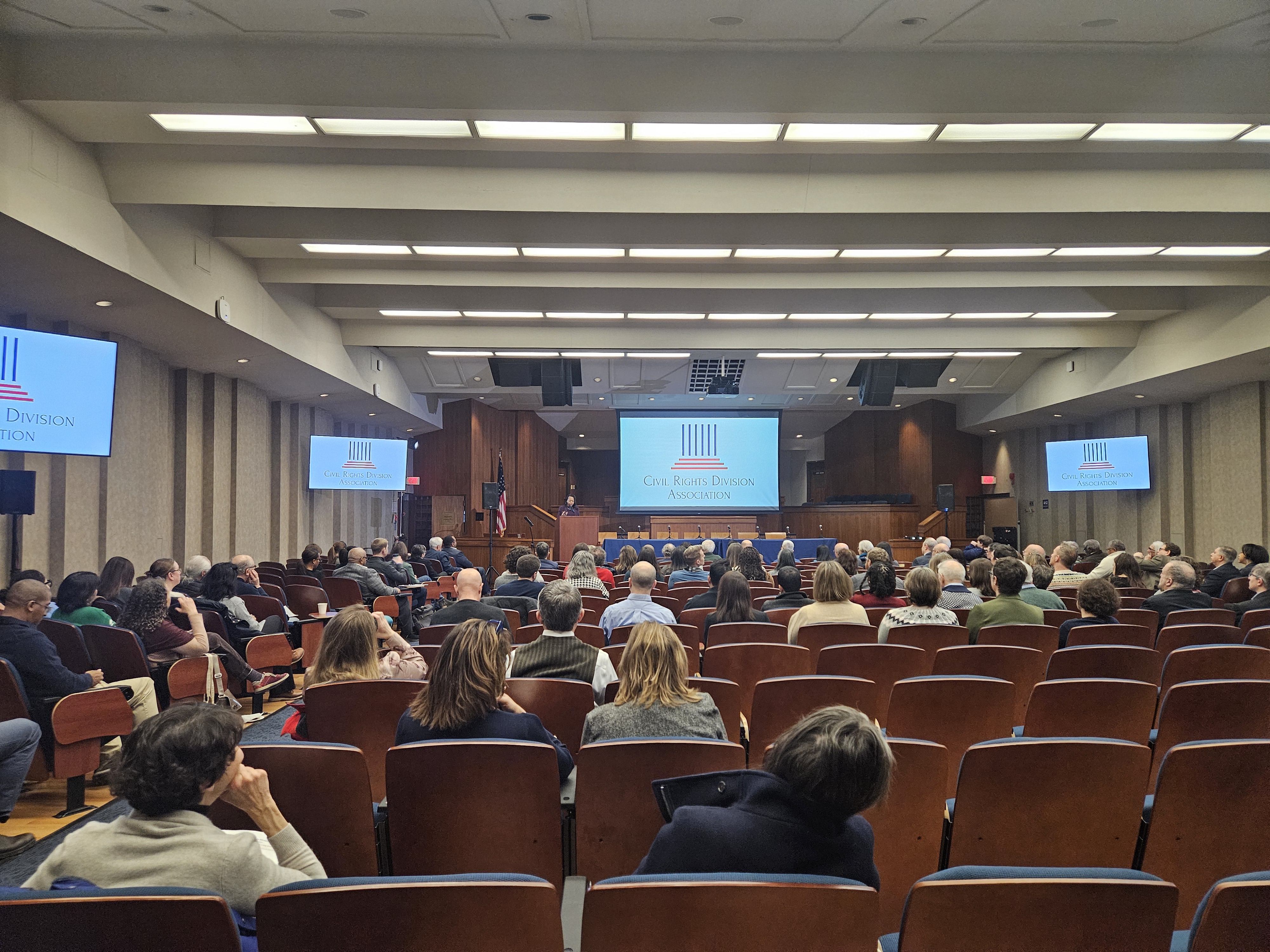
On January 31, CRDA members gathered at Howard University School of Law for an important convening, "The Civil Rights Division in the 21st Century: Looking Back and Moving Forward." You can read more about it in our special post-covening edition of the newsletter!
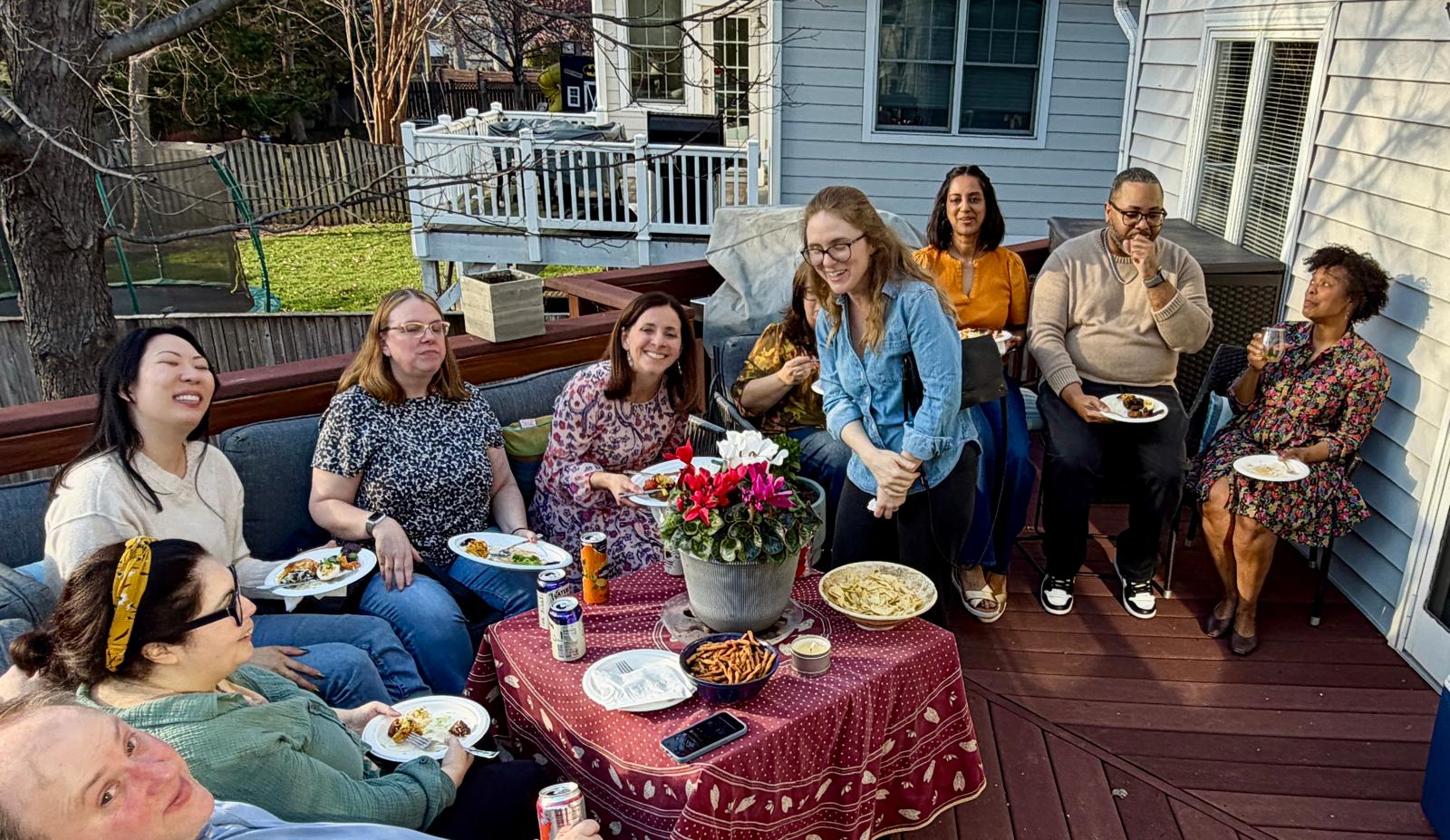
On March 21, former Federal Coordination and Compliance Section Chief Christine Stoneman hosted a potluck for former members of the section. Pictured below in the first photo from left to right are Kevonne Small, Renee Williams, Frances Burden, Christine Stoneman, and Daria Neal; in the second photo are Kaitlin Toyama, Selin Cherian-Rivers, and Katie Towt; and the third photo, attendees enjoying the potluck!


4. ROUNDUP OF RECENT CIVIL RIGHTS DIVISION NEWS
The Division has been totally transformed. The Atlantic has published a very thorough accounting of how the Division has been reshaped in the current administration. The article quotes several Division alumni and covers everything from personnel changes to the pursuit of entirely different enforcement interests. Shortly after the article was published, CBS News reported that more attorneys in the Division's Criminal Section had been fired for allegedly "weaponizing the FACE Act" during the Biden administration. Such "weaponization" is the subject of a new DOJ report, which has been heavily criticized by former leaders of the Special Litigation Section.
The Division pursues novel FACE Act charges against former CNN reporter and others, as fallout from ICE’s Minneapolis operation continues. The Division charged 39 individuals, including journalist Don Lemon, under the FACE Act for a January 18, 2026, incident involving a protest against ICE that disrupted services at Cities Church in St. Paul, Minnesota. Lemon was live-streaming the incident as it happened. This is the first criminal prosecution related to the FACE Act’s religious-worship provision under the Division’s recently-announced FACE Act charging policy. Before the indictment, Assistant Attorney General Harmeet Dhillon came under scrutiny for reposting a prediction market website about whether the Department would prosecute Lemon and for her own social media posts about the incident. Red Line for Civil Rights and Justice Connection have written about the unprecedented nature of this prosecution, as CBS News reported that former Division attorneys predict the charges will be dismissed. The charges received global media attention. Meanwhile, former Division attorneys have criticized ICE’s use of excessive force in Minneapolis. The attorneys–Cynthia Coe, Katie Chamblee-Ryan, and Patrick Kent were members of the Special Litigation Section team that negotiated a consent decree reforming the City’s police practices after George Floyd was killed.
The Division continues to prioritize gaining access to sensitive voter data, as the new administration tries new tactics. As summarized in our January newsletter, the Division previously sued 23 States and the District of Columbia under Title III of the Civil Rights Act of 1960 for refusing to produce voter registration lists. The Division has now sued seven more States, bringing the nationwide total to 30 States plus DC. In at least three cases, however, federal courts have rejected the Division’s efforts, according to The New York Times and The Brennan Center. Meanwhile, as reported by The New York Times, the administration tried to coerce Minnesota into providing its data by linking the Division’s demand to the federal government’s rationale for sending ICE officers into the State. Former Voting Section attorney Elizabeth Ryan has critiqued the Division’s legal basis for obtaining such records, as well as the Division’s dismissal of more traditional voting rights lawsuits.
The Division challenges racial diversity and DEI trainings in employment. The administration has identified new Title VII enforcement priorities, as it seeks to protect white men from racial discrimination in employment. This follows the voluntary dismissal of a more traditional pay discrimination case last year. The lawsuit alleged that the Mississippi State Senate paid a Black former staff attorney in its Legislative Services Office about half the salary of her white colleagues in violation of Title VII. The case was covered in a New York Times podcast episode featuring interviews with Kristie Metcalfe, the aggrieved former employee, and former Employment Litigation Section attorney Jen Swedish. The Division has sued Minnesota, challenging the State’s affirmative action goals for government staffing and personnel positions. The Division is also investigating the Baltimore City Health Department (BCHD) based on publicly available information suggesting that BCHD separated employees by race in a racial equity training. .
The Division focuses on the use of race in school admissions policies. The Division has taken a number of actions targeting alleged considerations of race in school admissions, including by joining a lawsuit against UCLA School of Medicine, alleging violations of the 14th Amendment, Title VI of the Civil Rights Act, and Section 1981. The Division also sued Harvard University for not making timely and complete document productions or otherwise permitting the Department to access Harvard’s applicant-level admissions data, alleging violations of the Department’s Title VI implementing regulations. The Division also alleged that the University was in breach of contract given that it is a grant recipient and made assurances to comply with Title VI. And the Division is seeking to intervene in a lawsuit against the administrators of the Los Angeles Unified School District over its “Predominately Hispanic, Black, Asian, and Other Program.” The lawsuit alleges that the program “categorizes students by race and by the race of their neighbors in order to determine school funding and magnet school admissions.” The proposed complaint can be found here.
The Division targets policies supporting transgender youth in schools. As reported by The New York Times, the Department has opened a sex discrimination investigation into a Los Angeles Unified School District policy that gives schools discretion in deciding whether to disclose students’ gender identities to their parents. The policy was adopted to protect transgender students who may not have support for their gender identity at home. Another investigation targets three Michigan public school districts “to determine whether they have included sexual orientation and gender ideology (SOGI) content in any class for grades pre-K-12.” The Division states that if such content is identified, it will “examine whether the schools have notified parents of their right to opt their children out of such instruction,” purporting to rely on the Supreme Court’s 2025 decision in Mahmoud v. Taylor. The Department will also examine whether the school allows transgender students to use bathrooms and locker rooms consistent with their gender identity, a practice the Division maintains violates Title IX. In addition to these investigations, the Department has sued Minnesota, alleging that allowing transgender women and girls to compete on women’s sports teams and use lockers consistent with their gender identity violates Title IX’s antidiscrimination protections.
The Division announces investigations and a new initiative addressing the housing of transgender individuals in state prisons. The Division is investigating whether policies in California and Maine that permit housing of transgender women in women’s prisons violate the Civil Rights of Institutionalized Persons Act; the Department will also investigate California under the Religious Land Use and Institutionalized Persons Act of 2000. When announcing the investigations, the Department highlighted the establishment of the “National Initiative Examining the Housing of Biological Men in Women’s Prisons,” with a tip line and email address.
The Division continues to pursue some traditional civil rights work. Despite departures and changes, some dedicated career staff have remained at the Department, ensuring that the Division continues to pursue some longstanding enforcement interests. For example, the Division continues to pursue sexual harassment claims against landlords under the Fair Housing Act, securing significant settlements in cases against the Missouri Housing Authority and its former executive director; a Kentucky landlord and property manager; and a Green Bay landlord. Of particular note, the Division secured a $850,000 settlement in a suit alleging two property managers sexually harassed female tenants at various rental dwellings throughout Lexington, Kentucky for decades. Additionally, the Division reached a settlement agreement with the State of Alabama to address allegations of discrimination against children in foster care with disabilities and sued SeaWorld and other theme parks over a wheeled walker ban. Press releases for the Division's civil and criminal matters can be found here.
5. CRDA MEMBER REFLECTION
“Struggle for Justice” by Lorna Grenadier (Civil Rights Division, 1972-2007)
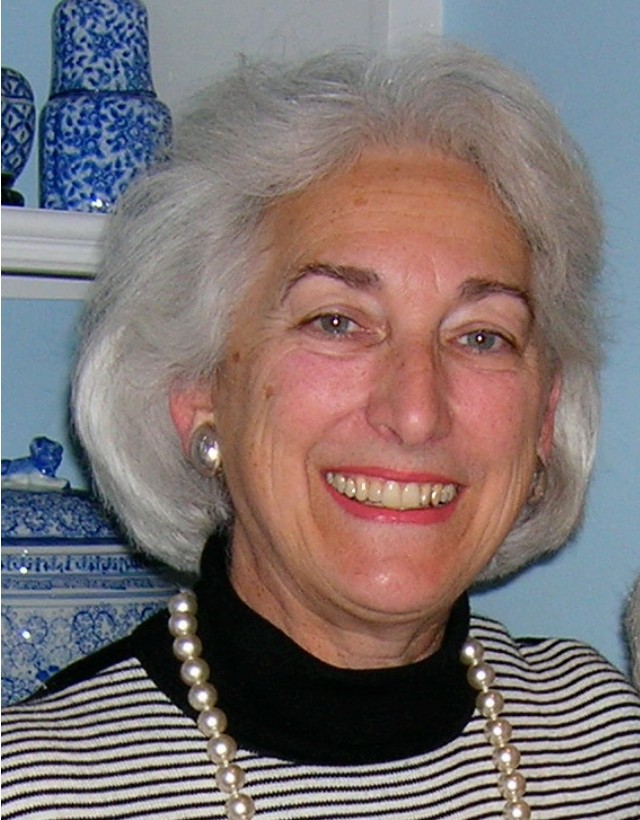
As our nation contemplates its 250th anniversary, a visit to the National Portrait Gallery (NPG) might be meaningful, whether in person or online. The collection includes portraits of people, including many civil rights figures, who have made significant contributions to American life and culture. As a docent at NPG since 2006, I have discovered some unexpected connections as well as inspiration on what history has been and can be.
Shimomura Crossing the Delaware (2010)
In 1988 Congress passed the Civil Liberties Act providing reparations and apologies for those Japanese American families removed from their homes and incarcerated in camps out West. The administrative unit managing that program was housed adjacent to the Civil Rights Division and included Division staff who worked for 10 years to identify, locate, and pay over 81,000 victims, including artist Roger Shimomura, shown below as George Washington surrounded by samurai. I often end my tours with this image and was surprised when a visitor approached me to say he was with Shimomura the day he received his letter of apology and check. Art coming to life.

In the 1920’s the Mendez family were among 1,500 Puerto Ricans recruited by the Arizona Cotton Growers Association to pick cotton in the Southwest. When faced with poor housing and unexpected fees, they helped lead a strike and later moved to California. Due to their skin color and Latino surname, their children were prohibited from attending a school in their local California district, which maintained separate schools for Mexican-origin children. Once more the family took action by filing a class action school desegregation case, Mendez v. Westminster in 1945. They prevailed the following year and ultimately the state legislature changed the law signed by then Governor Earl Warren. Their lawsuit paved the way for the 1954 Supreme Court’s unanimous decision Brown v. Board of Education, under the leadership of Chief Justice Earl Warren. (Deja vu?)
There is irony in how the Mendez family came to live in Westminster. The Munemitsus, a Japanese American family, who owned and lived on a 40-acre farm but were forced to leave, were able to lease the farm to the Mendez family. Would there have been such a significant school desegregation case otherwise? And also how ironic that the Munemitsu children were able to attend the school denied to the Mendez family. The vest below commemorates the lawsuit as well showcasing protest buttons, many of which include the Puerto Rican coqui frog, its national symbol of identity and pride.
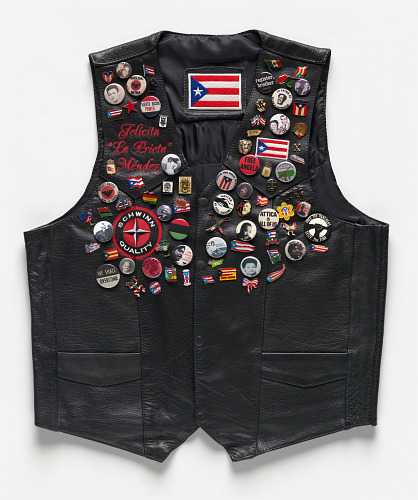
These are just a sample of the numerous images that explore American history through a civil rights lens. Below are some other exhibits of what’s on view, both historic and contemporary.
One of the more recent acquisitions is this portrait of civil rights icon John Lewis.

6. THE PARTNERSHIP FOR PUBLIC SERVICE INVITES FORMER FEDERAL WORKERS TO GET INVOLVED

From the Partnership for Public Service: “Are you a former federal employee who is looking to participate in efforts to support and defend the civil service? Would you like to inform policy proposals to make the federal government more effective, responsive and accountable in the years to come? If you answered yes to either of these questions, we invite you to join us as a volunteer. Complete this intake form to help us better understand how you might be able to contribute to our ongoing policy and advocacy efforts. Please note that the completion of this form does not commit you to any specific activity.”
Also, the Partnership has a weekly newsletter aimed at supporting Feds and former Feds: You can sign up to receive it here: Home • FedSupport Hub
7. JOIN THE CRDA LINKEDIN GROUP

Have you joined our private LinkedIn Group yet? If not, you may be missing out on job announcements, civil rights news, and updates from former colleagues! Request to join now at this link.
8. THANK YOU!

Thank you to everyone who submitted content to this issue of the CRDA Newsletter! We couldn’t have done it without you.
Do you like this page?